 Fire Damage Restoration
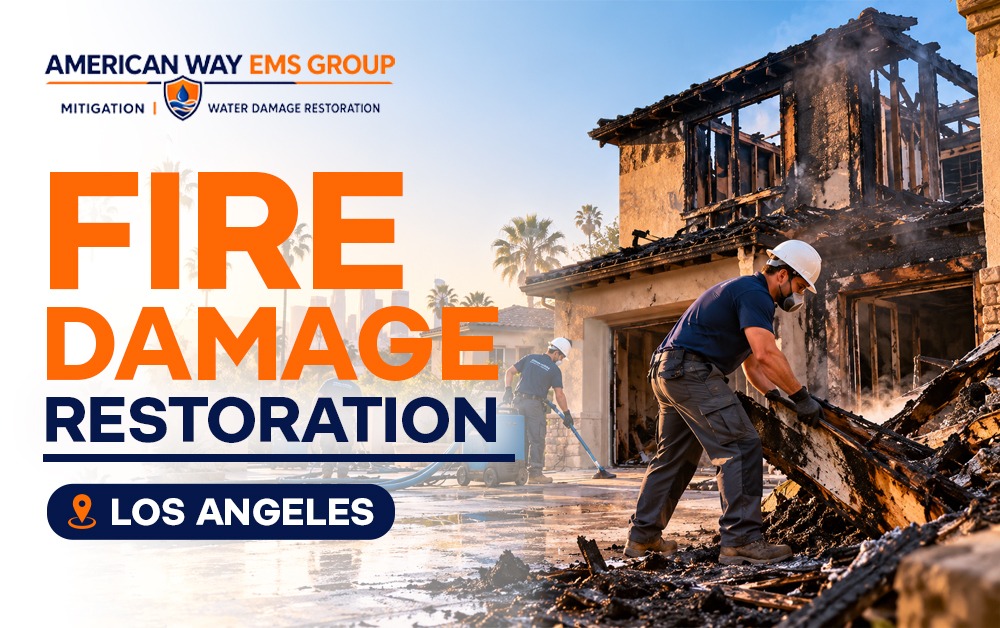
 Los Angeles services help homeowners and business owners recover after a fire damages their property. From burned walls and damaged roofing to smoke-covered surfaces, soot deposits, and water left behind by firefighting efforts, fire damage can affect far more than the area where the flames started. Professional restoration helps identify the extent of the damage, address affected materials, and determine the repairs needed to restore a property.
At American Way EMS Group, we provide property restoration services for residential and commercial properties. Our approach focuses on helping property owners understand the restoration process, identify damage that requires professional attention, and take the next steps toward recovery. Whether your property has experienced a kitchen fire, an electrical fire, an appliance-related fire, or more extensive fire damage, understanding the cleanup and restoration process can help you make informed decisions.
If your home or business has been affected by a fire, addressing fire, smoke, soot, and water damage promptly is an important part of protecting the property from further deterioration.
Understanding Fire Damage Restoration in Los Angeles
Fire damage restoration involves assessing the affected property, determining which materials and areas require attention, removing fire-related residue, addressing smoke odors, managing moisture, and completing necessary repairs.
The restoration process varies depending on the cause of the fire, the intensity of the flames, the materials involved, and the extent to which smoke and water have spread throughout the building.
For property owners seeking Fire damage restoration Los Angeles, it is important to understand that visible burn marks are only one part of the problem. Smoke can travel through adjoining rooms and ventilation pathways, while soot can settle on walls, ceilings, furniture, and personal belongings. Water used to extinguish the fire can also penetrate flooring, drywall, insulation, and other building materials.
A thorough restoration plan considers all these factors instead of focusing only on the visibly burned areas.
American Way EMS Group helps residential and commercial property owners navigate their property restoration needs and understand the work that may be required after a fire.
Common Causes of Fire Damage in Homes and Commercial Properties
Fires can occur unexpectedly in residential homes, apartments, offices, retail spaces, and other commercial buildings. Understanding common causes of property fires can help people recognize the types of damage that may require restoration.
1. Kitchen and Cooking Fires
Cooking equipment is a common source of residential fires. Unattended cooking, overheated oil, and malfunctioning appliances can cause flames to spread to cabinets, countertops, walls, and nearby materials.
Even when a kitchen fire is contained quickly, smoke and soot may travel into living rooms, bedrooms, hallways, and other areas. Professional fire damage cleanup may be necessary to remove residue, assess damaged surfaces, and address lingering smoke odors.
2. Electrical Fires
Faulty wiring, overloaded circuits, damaged electrical equipment, and malfunctioning appliances can contribute to electrical fires.
These incidents may damage electrical components, wall cavities, insulation, and surrounding building materials. Because electrical damage can create serious safety risks, affected systems should be evaluated by qualified electricians before they are used again.
3. Heating Equipment and Appliance Fires
Heating equipment, water heaters, and other household or commercial appliances can become sources of fire when they malfunction or are improperly maintained.
Depending on the severity of the incident, restoration may involve cleaning smoke residue, repairing damaged walls and ceilings, and replacing materials that cannot be safely restored.
4. Candles and Open Flames
Candles, fireplaces, and other open flames can ignite nearby curtains, furniture, decorations, and other combustible materials.
A fire that initially affects a small area can produce smoke that spreads throughout a property. Prompt assessment can help identify affected rooms and determine the appropriate cleaning and repair procedures.
5. Exterior and Wildfire-Related Damage
Properties in and around Los Angeles may also experience damage associated with exterior fires or nearby wildfires. Depending on the incident, damage may include burned building materials, smoke infiltration, soot deposits, damaged windows, and compromised roofing or exterior surfaces.
Properties affected by wildfire smoke may require specialized cleaning and an assessment of both interior and exterior materials.
Regardless of the cause, professional fire damage restoration begins with evaluating the property’s condition and establishing a suitable recovery plan.
Types of Damage That Require Professional Fire Restoration
Fire can create several forms of property damage simultaneously. Identifying each type is essential for planning effective restoration.
Fire and Structural Damage
Direct exposure to flames and high temperatures can damage walls, ceilings, roof structures, framing, flooring, doors, and windows. Severe fires may also compromise the structural integrity of a building.
A qualified assessment is necessary to determine whether materials can be repaired, require replacement, or need further inspection before restoration work begins.
Structural safety should always take priority over cleanup. Never enter a fire-damaged building until the appropriate authorities have confirmed it is safe.
Smoke Damage
Smoke can move far beyond the area where a fire originated. It may travel through doorways, hallways, wall openings, and ventilation systems, affecting rooms that show no visible burn damage.
Smoke damage can leave discoloration, persistent odors, and residue on surfaces and belongings. Depending on the affected materials, restoration may involve detailed surface cleaning, treatment of porous materials, and cleaning of affected contents.
Soot Damage
Soot is a residue produced by incomplete combustion. It can settle on walls, ceilings, cabinets, appliances, furniture, and other surfaces.
Different types of fires produce different kinds of soot. Some residues are oily and difficult to remove, while others are dry and powdery. Using the wrong cleaning method can spread the residue or push it deeper into a surface.
Professional soot removal involves selecting appropriate cleaning techniques for the affected materials and the type of residue present.
Water Damage After a Fire
Firefighting efforts can leave significant amounts of water inside a building. Water may soak carpets, hardwood flooring, drywall, insulation, and other materials.
Without proper moisture management, these conditions can contribute to material deterioration, unpleasant odors, and mold growth. Fire and water damage restoration may therefore need to be coordinated as part of the same recovery project.
Smoke Odors and Indoor Contamination
Smoke odors can remain after visible soot has been removed. Smoke particles and odor-causing residues may penetrate upholstery, carpets, fabrics, insulation, and other porous materials.
Depending on the severity of the contamination, effective smoke damage restoration may require specialized cleaning, odor treatment, and the removal of materials that cannot be adequately restored.
Our Fire Damage Restoration Process
Every fire-damaged property is different. The appropriate restoration process depends on the severity of the incident, the affected materials, and the condition of the building.
The following steps explain how a comprehensive fire damage restoration project may proceed.
Step 1: Initial Property Assessment
The first step is to evaluate the property and identify visible damage as well as areas that may have been affected by smoke, soot, or water.
The assessment may include examining walls, ceilings, flooring, windows, doors, contents, and other affected areas. The findings help establish the scope of the work and determine whether additional inspections are needed.
For extensive damage, qualified structural, electrical, or other specialists may need to assess specific building systems.
Step 2: Safety and Property Protection
Before restoration begins, the property must be safe for entry and work. Damaged structures, exposed wiring, gas-related hazards, and contaminated areas require appropriate precautions.
Depending on the situation, temporary protection may be needed for broken windows, damaged doors, or roof openings to reduce exposure to weather and unauthorized access.
Safety measures should be based on the property’s condition and recommendations from the relevant professionals.
Step 3: Removal of Debris and Unsalvageable Materials
Fire can leave behind damaged furniture, burned materials, broken building components, and other debris.
Where appropriate, restoration work may include removing debris and materials that cannot be safely or effectively restored. Materials should be evaluated before removal because some items may be salvageable with suitable cleaning or specialized treatment.
Step 4: Professional Smoke and Soot Cleanup
Smoke and soot cleanup requires care because residue can spread when handled improperly.
Restoration professionals determine the suitable cleaning method for each surface, considering the type of residue and the material involved. This may include specialized vacuuming, surface cleaning, or other appropriate techniques.
The objective is to remove contamination while minimizing additional damage to walls, ceilings, fixtures, furniture, and other affected items.
Step 5: Water Extraction and Structural Drying
If firefighting efforts have introduced water into the property, affected areas may need water extraction and drying.
Depending on the circumstances, this work can involve removing standing water, monitoring moisture levels, and using suitable drying equipment. Some materials may need to be removed if they are severely damaged or cannot be dried and restored appropriately.
Addressing moisture is an important part of comprehensive fire and water damage restoration.
Step 6: Smoke Odor Removal
Removing visible soot does not always eliminate smoke odors. Odors may remain in porous materials, enclosed spaces, and affected building components.
Appropriate odor-control procedures depend on the source of the odor, the materials involved, and the extent of smoke infiltration. Some materials may require specialized treatment, while others may need replacement.
The goal is to address the source of the odor rather than simply masking it with fragrances.
Step 7: Cleaning and Restoration of Salvageable Contents
Furniture, household belongings, office equipment, and other contents may require cleaning after a fire.
The restoration approach depends on the material, the degree of contamination, and whether the item can be safely restored. Certain delicate or valuable items may require specialized cleaning services.
Items that are unsafe or cannot be adequately cleaned may need to be discarded in accordance with appropriate handling procedures.
Step 8: Repairs and Reconstruction
Once cleanup and necessary drying are complete, repair work can begin according to the restoration plan.
Depending on the damage, this stage may involve replacing drywall, repairing ceilings, restoring flooring, repainting surfaces, replacing damaged fixtures, and coordinating other construction work.
More extensive projects may require rebuilding sections of the property. All repairs should account for identified safety concerns and applicable building requirements.
Residential Fire Damage Restoration in Los Angeles
A house fire can disrupt family life, damage personal belongings, and make parts of a home temporarily unusable. Even a limited fire can affect more than one room because smoke and soot may spread throughout the building.
Residential fire damage restoration focuses on evaluating the affected home, identifying salvageable materials, addressing smoke and soot contamination, managing water damage, and planning necessary repairs.
Common residential restoration needs include:
- Kitchen fire cleanup and restoration.
- Smoke damage cleanup in bedrooms and living areas.
- Soot removal from walls, ceilings, cabinets, and fixtures.
- Smoke odor treatment for carpets, upholstery, and other affected contents.
- Water extraction and drying after firefighting efforts.
- Repairs to damaged drywall, flooring, doors, and ceilings.
- Restoration planning for affected personal belongings.
Homeowners should avoid wiping extensive soot deposits with ordinary cleaning products before the residue has been assessed. Improper cleaning can spread soot and make some stains more difficult to remove.
If your home has experienced a fire, professional assessment can help clarify which areas require cleaning, which materials may be salvageable, and what repairs are necessary.
Commercial Fire Damage Restoration in Los Angeles
Fire damage can also interrupt business operations and affect employees, customers, tenants, inventory, and equipment. Commercial buildings often contain different materials and systems from residential properties, making the restoration process dependent on the property’s use and layout.
Commercial fire damage restoration may be needed for offices, retail spaces, restaurants, warehouses, rental properties, and other business premises.
Depending on the incident, commercial restoration may involve:
- Assessing damage to workspaces and shared areas.
- Cleaning smoke and soot from walls, ceilings, and fixtures.
- Evaluating damage to furniture, equipment, and inventory.
- Coordinating water extraction and drying.
- Identifying materials that require removal or replacement.
- Planning repairs and reconstruction.
- Coordinating restoration activities with property managers and other qualified professionals.
Business owners should also consider documentation, insurance requirements, and any inspections needed before reopening. A restoration plan that accounts for the building’s condition and operational needs can help organize the recovery process.
American Way EMS Group provides property restoration services for residential and commercial properties, helping property owners determine the next steps after damage.
Why Prompt Fire Damage Cleanup Matters
Waiting too long to address fire-related damage can create additional challenges. Soot residue may stain surfaces, smoke odors may persist in porous materials, and water left behind by firefighting efforts can contribute to further deterioration.
Prompt professional assessment helps identify the extent of the damage and establish priorities for cleanup, drying, and repairs.
There are several reasons to arrange a restoration assessment as soon as it is safe:
To identify hidden damage: Smoke and water can affect areas that are not immediately visible.
To protect salvageable materials: Appropriate cleaning and handling may help preserve certain belongings and building components.
To address moisture concerns: Wet materials may deteriorate if they remain damp for extended periods.
To plan necessary repairs: Understanding the full scope of the damage helps establish a more informed restoration plan.
To support insurance documentation: Photographs, damage assessments, and records of restoration work may help when communicating with your insurance provider.
The appropriate timing and scope of restoration will depend on the safety of the property and the severity of the damage.
Fire Damage Restoration Services Throughout Los Angeles and Surrounding Areas
Property owners throughout the Los Angeles region may need professional assistance after residential or commercial fires. Local properties vary in age, construction, building materials, and exposure to fire and smoke, so restoration plans should reflect the specific conditions of each property.
American Way EMS Group proudly serves Los Angeles and surrounding communities, including:
- Los Angeles: Fire damage cleanup, smoke damage assessment, and restoration planning for residential and commercial properties.
- Orange County: Restoration support for properties affected by fire, soot, smoke, and related water damage.
- San Bernardino: Property restoration services for homes and businesses affected by fire-related damage.
- San Fernando Valley: Assistance with assessing fire damage and determining appropriate cleanup and repair requirements.
- Santa Clarita: Restoration planning for smoke, soot, structural damage, and water-related issues following a fire.
- Lancaster: Property restoration needs involving fire damage, affected building materials, and necessary repairs.
- Oxnard: Support for property owners dealing with fire-related damage and the associated cleanup process.
- Santa Barbara: Restoration assistance for residential and commercial properties affected by fire and smoke.
The availability and scope of specific services should be confirmed with the American Way EMS Group team for your property and location.
If you are searching for fire damage restoration near Los Angeles, choosing a restoration provider that understands the different aspects of fire, smoke, soot, and water damage can help you plan the next steps toward recovery.
How to Prepare for Fire Damage Restoration
After emergency responders have confirmed that the property is safe to enter, several practical steps can help you prepare for restoration.
Document the Damage
Take photographs and videos of affected rooms, visible damage, and damaged belongings when it is safe to do so. Keep copies of relevant receipts and records for your insurance provider.
Contact Your Insurance Company
Report the fire and ask about the claims process, documentation requirements, and any preferred procedures for arranging inspections and repairs.
Avoid discarding potentially relevant damaged items before documenting them or confirming whether your insurer needs to inspect them, unless removal is necessary for safety.
Avoid Unnecessary Cleaning
Do not attempt extensive soot removal or use household cleaning products on heavily contaminated surfaces without understanding the appropriate method. Improper cleaning can spread residue or damage affected materials.
Keep Away From Unsafe Areas
Do not enter areas with unstable structures, exposed electrical components, damaged gas systems, or other hazards. Follow instructions from emergency responders and qualified professionals.
Arrange a Professional Assessment
Discuss the visible damage, any water used during firefighting, and areas where smoke or odors have spread. This information can help establish which restoration steps should be prioritized.
Taking these precautions can make it easier to coordinate the assessment, cleanup, and repair stages.
How to Choose a Fire Damage Restoration Company in Los Angeles
Choosing a restoration company is an important decision after a fire. Property owners should look for a provider that can explain the restoration process clearly and identify the work appropriate for the property’s condition.
Consider the following factors when evaluating a provider:
Experience with different types of damage: Fire restoration may involve smoke, soot, structural concerns, and water damage. Ask how the provider evaluates these different issues.
A clear restoration plan: The provider should explain the proposed scope of work, the areas requiring attention, and any additional inspections that may be necessary.
Appropriate safety procedures: Work should account for potential structural, electrical, contamination, and moisture-related hazards.
Documentation and communication: Clear communication about findings, recommended work, and project progress can help property owners coordinate decisions.
Repair and reconstruction needs: Ask whether the required repairs can be coordinated through the provider or whether separate qualified contractors will be needed.
American Way EMS Group can help property owners discuss their restoration needs and understand the appropriate next steps for addressing fire-related property damage.
Frequently Asked Questions About Fire Damage Restoration Los Angeles
1. What does fire damage restoration include?
Fire damage restoration includes property assessment, debris removal, smoke and soot cleanup, odor removal, water extraction, structural drying, and necessary repairs. The process depends on the severity of the fire and the condition of the property. Professional fire damage restoration in Los Angeles helps property owners identify affected areas and determine the appropriate steps for recovery.
2. How soon should fire damage restoration begin?
Fire damage restoration should begin as soon as emergency responders confirm that the property is safe to enter. Prompt action helps identify hidden smoke, soot, and water damage before further deterioration occurs. Professional restoration specialists can assess affected areas, recommend suitable cleanup methods, and develop a restoration plan to help homeowners and businesses begin recovering after a fire.
3. Can smoke damage affect rooms that were not burned?
Yes, smoke can spread throughout a property through hallways, doorways, and ventilation systems, affecting rooms untouched by flames. Smoke residue may discolor walls, damage furniture, and leave persistent odors. Professional smoke damage restoration in Los Angeles helps identify affected surfaces, remove soot using appropriate cleaning methods, and address lingering odors throughout residential and commercial properties.
4. Can water damage occur after a fire?
Yes, water damage commonly occurs when firefighters use water to extinguish flames. Excess moisture can penetrate flooring, drywall, ceilings, insulation, and furniture. If not addressed properly, damp materials may deteriorate or develop mold. Fire and water damage restoration may include water extraction, structural drying, and moisture monitoring to help protect affected materials and prevent additional property damage.
5. How much does fire damage restoration cost in Los Angeles?
The cost of Fire damage restoration Los Angeles depends on the property’s size, the severity of the fire, smoke and soot contamination, water damage, and required repairs. Minor damage may require limited cleanup, while extensive damage can involve reconstruction. A professional property assessment helps determine the necessary services and provides a clearer estimate of restoration costs.
Contact American Way EMS Group for Fire Damage Restoration in Los Angeles
Recovering from a fire involves more than repairing visible burn damage. Smoke, soot, persistent odors, and water from firefighting efforts can create additional challenges for residential and commercial property owners.
Professional Fire Damage Restoration Los Angeles helps identify affected materials, establish a suitable cleanup plan, and determine which repairs are needed to restore the property. Taking the right steps early can help you better understand the damage and organize the recovery process.
American Way EMS Group provides property restoration services for homes and businesses in Los Angeles and surrounding communities. If your property has experienced a fire, our team can help you discuss your restoration needs and determine the appropriate next steps.

Repair And Rebuild Los Angeles | American Way EMS Group
October 27, 2026 7:22 am[…] Fire damage repair and rebuild in Los Angeles services help property owners address damaged materials and restore affected areas after a fire. […]